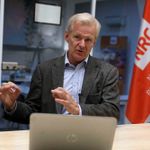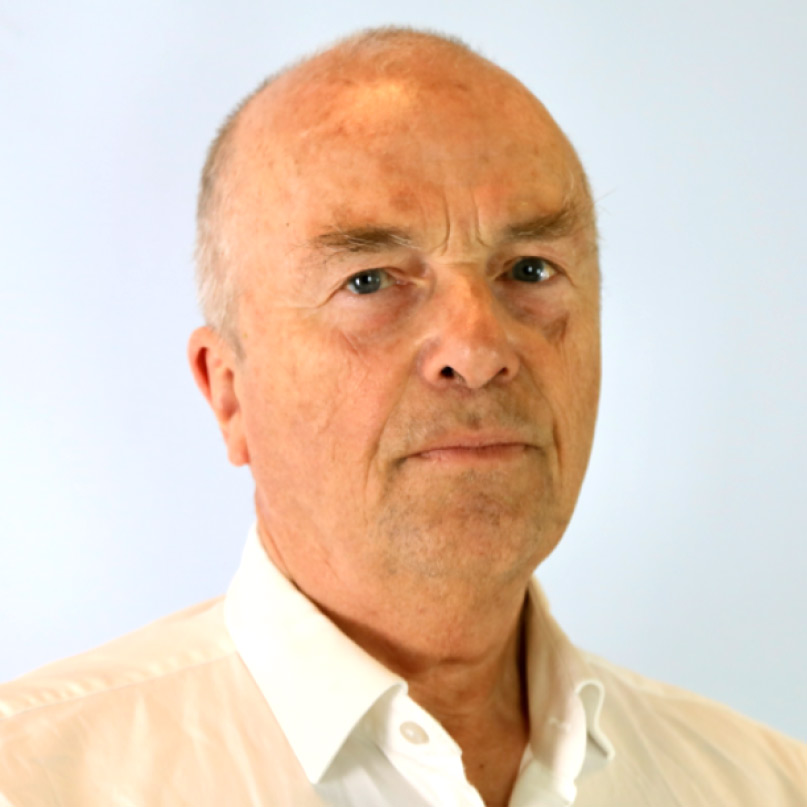
Finnes det et åndelig vakuum i Norge og Europa som islam står klar til å fylle? En artikkel i bladet Prospect om norske studenter i Damaskus som lar seg begeistre av islam, kan tyde på det. Etter noen måneder i Syrias hovedstad er en norsk teologistudent klar til å konvertere til islam.
Skildringen vekker blandede følelser hos en innfødt nordmann. Den er avslørende, og vi føler oss litt beklemt. Dette er «Bokhandleren i Kabul» snudd på hodet. Her er det fremmede som observerer oss i utlandet, uten norske filtre og hensyn. En etnisk norsk journalist ville tonet ned sine landsmenns søken, deres lettbevegelighet. Norge er som et stort Brønnøysund, hvor Torbjørn Askevold kommer fra.
De norske studentene fremstår som sympatiske, men virker umodne, naive og lett påvirkelige. Det er nesten så man får assosiasjoner til ML-bevegelsen: Menneskene trenger noe å tro på. Den norske protestantiske kristendommen er åpenbart ikke nok.
Artikkelforfatteren, Aatish Taseer, liker Torbjørn Askevold og bygger mye av artikkelen opp rundt ham:
The last time I saw Torbjørn Askevold, we were eating okra and mutton in my flat near the diplomatic quarter of Damascus. The 22-year old Norwegian, who had been in Syria for four and a half months, seemed impatient to go before a sheikh and make the simple testimony—»There is no God but God and Muhammad is his Prophet»—that would introduce him to the society of the believers.
…Torbjørn’s Christianity was different from most of my European contemporaries. He was a theology student on his way to a career in the Norwegian church. He really believed that Christ had died on the cross for our sins and was the son of God. Yet now Torbjørn was on the verge of converting to Islam, with its «clarity,» its «completeness» and its willingness to enter spheres of public life from which his church had long since retreated.
Torbjørn rakk ikke å konvertere. Mobben som regimet slapp løs på ambassadene kom i veien, og foreldrene ville ha ham hjem.
I fremstillingene jeg har lest om studier i Damaskus, har jeg fått inntrykk av en liten søvnig by med mye bevart arktitektur, hvor man får fred til å studere. Taseer tegner et helt annet bilde. Fra hele verden søker unge seg til Damaskus for å finne ut av islam. Det skaper et spesielt miljø. På universitetet står de religiøse lærde klar til å gi preknene en politisk vri.
For the past six weeks I had been in Damascus talking to young people about the place of religion in their lives. The Syrian capital is, to those interested in understanding Islam and Arabic, the key—what Boston is to liberal secular types. Abu Nour University, which reached its zenith under the late grand mufti of Syria, Sheikh Ahmad Kuftaro, is a favoured destination for students from non-Arab Muslim backgrounds hoping to gain or regain knowledge of the religion. On an average day Chechens, Indonesians, Pakistanis and British and American Muslims crowd the university’s corridors on their way to Koran and Arabic classes. The approach to Abu Nour is through a famous Damascus souk dotted with 13th and 14th-century minarets. Nearing the giant, still-new marble edifice, one begins to see bearded, robed and veiled figures from across the globe, standing out among the Syrians no less than Ella, my tall, blonde girlfriend.
Hippy islam
Dette er en subkultur norske medier ikke har fanget opp, hippy-islam. Man reiser ikke til Katmandu eller India, men til Damaskus for å bli høy på Allah.
It took me a few days to realise that there was an Islamic current running through many in the group. It was hippy Islam, if such a thing is possible. The gatherings of Chad and his friends were inter-religious, multi-ethnic and tediously respectful, but Islam was always present. It was in the sparseness of people’s flats, the fondness for facial hair in the boys, the studied, serene voices and the abundance of fruit juice. I quickly grew tired of it, and after a dry Christmas dinner I befriended Even Nord, Torbjørn’s friend, a Norwegian with a glint in his eye and knowledge of the Journalists’ Club, a place where we could get a drink.
Taseer treffer Torbjørns venn Even Nord, den samme Even som var på forsiden av norske aviser fordi han hadde greid å roe ned folkemengden foran ambassadene med noen velvalgte ord på arabisk.
Det er noen andre sider Taseer får frem: Det handler om en skjønn jente, Semeya, sterkt troende, nesten på gymnaslærer Pedersen-maner, som begge de norske guttene er tiltrukket av.
It was over a drink with Even that I became aware of the strange appeal of both Islam and Semeya in his life. «In the west, we are all about rights,» he said, «but we have forgotten about limits.» He said he and Torbjørn had both been impressed by Semeya’s spiritual quest. It sounded like she had seduced them both with her piety. «She’s here only to develop her relationship with God,» he said, admiringly.
What had seemed to me a fine example of female guile was to Even evidence of how Islam curbed the excesses of modern western life.
Pattani
Damaskus har gitt asyl til tidligere SS-mordere som Alois Brunner og palestinske terrorledere. Det er neppe tilfeldig at Hamas’ politiske leder Khaled Mashaal bor der. Men i hvilken grad Syria er et tilholdssted for islamske terrorgrupper fra hele verden, gir Taseer et lite innblikk i. Hvem ville trodd at representanten for den muslimske geriljaen i det sørlige Thailand bor i Syria!
On the way back, Even suddenly grabbed my arm and we slipped into a side street off the 2_kommentar souk. Even knocked on a black metal door and after a short wait, a small Asian man in grey Arab robes opened the door. He hugged and kissed Even profusely. He welcomed us into a sitting room and then into a further room, which looked like a tiny presidential office. Above a big desk and chair there hung, on one side, the Syrian flag with a picture of the president, and on the other a flag I didn’t recognise: red stripes and yellow stars and moons on a black background. We were in the headquarters of the Pattani United Liberation Organisation, of which I had never heard, and the little man was its president in Syria. Cakes and soft drinks arrived and the man unburdened all the details of the plight of his people in southern Thailand. He produced his wife and a little baby a few minutes later. Then he insisted we watch a film about a massacre in Pattani, in which a soft-spoken American narrator told of the horrors of Thaksin Shinawatra’s regime in Thailand. When it was over, the little man said, «Pattani want peace, but Shinawatra want to make war.» At this he laughed maniacally and pointed to the wallpaper on his computer. «It say, ‘Thailand will be destroyed and Pattani will rise.'» Again he laughed his hellish laugh and we took our leave, Abu Nour and its environs now seeming to me like some rabbit warren of extras from a jihad film.
Søken etter helhet
Det er ikke bare nordmenn som er på leting etter livets mening. Fra hele verden kommer de. Når man leser disse historiene kan man ikke unngå å tenke på gutta fra Leeds som ble selvmordsbombere. Hvilken etterretningstjeneste er i stand til å oppdage når noen går fra eksistensiell lengsel og søken til å bli terrorist? Dessverre er det en rute som er fullt mulig med islam, og som gjør den spesiell.
I spent several days meeting privately with some of the people I had met at the mosque, trying to understand what had made them give up their lives in the west and turn to Islam. Simplicity, clearing away the clutter of modern life, was a big theme. Completeness was another: a single divine philosophy managing every aspect of life and conduct. Routine was another still: praying and fasting ordered the mayhem. And identity: feeling part of a universal brotherhood where other identities had failed. There were brothers like Fuad, a British Asian from Doncaster who had escaped his corporate job in Bristol to come to Abu Nour. «It was so grey,» he said. «The drive to work every morning, operating on mechanised time, arriving to find you have 200 emails. I realised that to succeed in that world, in the corporation, you had to serve the corporation. And for what? For money? Instead I chose to submit to something true, something with meaning.» There were many like Fuad.
Da Taseer etter et opphold treffer Torbjørn igjen, avslører han noe av den samme omvendelsen, og det med en islamittisk vri. Det er islams helhet som tiltrekker:
«Actually,» Torbjørn said, turning to Ella and me, «I’ve become more interested in Islam.»
«What has interested you?» I said.
«The fact that it handles politics more openly,» he answered. This aspect of Islam was precisely what was putting me off, but Torbjørn felt that in the over-secularised environment of Europe, the church had lost its role as a forum on political issues. «Islam,» he continued, «discusses politics more honestly.» He also emphasised that he liked the prayers five times a day, that the faith had a tangible quality and ruled over all aspects of its adherents’ lives. I had heard this a million times before, but never from a potential priest and someone used to the vast freedoms of Scandinavia.
So great was Torbjørn’s passion about Islam that Ella finally asked: «Would you think of converting?»
«I am actually in the process now,» came the reply.
Men så intervenerer profet-tegningene. På universitetet slår de på stortromma. Rektor Salah Kuftaro fremstiller det som et angrep på islam. Det mobiliseres:
The next day, the cartoons were the subject of the Friday sermon from the pulpit of almost every mosque in Syria. Even and I returned to the translation room at Abu Nour. From below, Kuftaro was speaking: «The Europeans are using all their power to destroy our faith. It is our Islamic duty to boycott all goods from these countries.» He compared Islam’s situation today to its situation in 7th-century Arabia, where it was also beset and surrounded by enemies. Not once did Kuftaro make any distinction between the papers that had published the cartoons and the countries themselves. «When our sanctity is oppressed,» Kuftaro continued, «we will sacrifice our souls, spirits and bodies for you, O Prophet.»
Man får den gamle «ML-følelsen». Noen vil bruke andre mennesker i et spill. ML ble aldri innhentet av virkeligheten. Det ble Torbjørn og Even Nord.
Historien slutter med at Torbjørn drar hjem, mens Even blir. Taseer har gitt oss en ukjent side ved livet til norske studenter i Midtøsten. Står en ny vekkelse for døren?