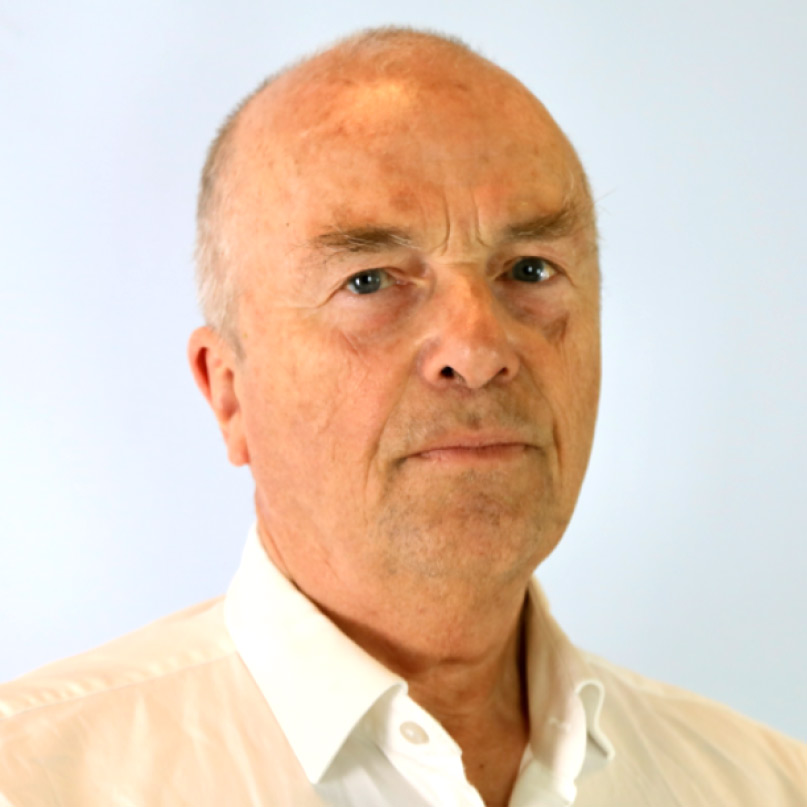
Gitta Sereny har vurdert rettssaken mot Saddam Hussein opp mot Nürnberg-domstolen. Sereny står i en klasse for seg som undersøkende, dyptpløyende journalist. Hun har intervjuet flere nazi-massemordere, som lederen for dødsleiren Treblinka, Fritz Stangl («Into that Darkness»). Mest kjent er hun for sin biografi om Albert Speer («Albert Speer and his battle with truth»). Sereny er ikke fordømmende, hun forsøker å forstå personen hun har foran seg, i et sakte tempo. Ved å observere hvordan han/hun ter seg og forteller sin egen historie.
Sereny ser ut til å ha liten sans for de som fordømmer rettssaken som seierherrenes justis:
«I think that it’s right that it’s taking place in Baghdad, just as it was right that [the trial of the Nazis] took place in Nuremberg. If you take it abroad, the Iraqis would never believe it.
Mens en hel verden visste hva nazistene hadde gjort, er det mindre direkte forståelse av hva Saddam bedrev. Hans gjerninger kommer i skyggen av de siste års bomber og attentater. I det minste er det slik aviser i Midtøsten forsøker å fremstille det.
The editor of Jordan’s independent daily Al-Arab Al-Yom, Taher al-Adwan, called the trial «surrealist… with a court of Iraqi judges but behind the curtain US soldiers who walked the former Iraqi leaders in with their hands cuffed.»
He called October 19 «a difficult date to forget in the Arab consciousness.
«Arabs hear today about the crimes of Saddam and his henchmen, but they see Iraq becoming enveloped in a whirlpool of violence and terrorism and facing the danger of a civil war,» he wrote.
«The reality that is seen today is stronger than the history we hear about.» (afp)
Sereny:
I think the 2_kommentar difference is that at Nuremberg those 12 years of Hitler [in power] were incredibly well-known to us while we in the west know very little about the Middle Eastern states and Middle Eastern people. I fear that is going to work out in Saddam’s favour. The one really good thing is that he is being tried by Iraqis. One can only hope that they will try him fairly as it is quite difficult to try these people fairly.
Another difference is that, at Nuremberg, the accused pretended not to be part of it. I noticed that Albert Speer was the only one who paid any attention at all. The others were fidgeting and reading very large newspapers. It was very strange that they were allowed to do that but I suppose they [the tribunal] did not want to appear authoritarian.
Men en ting har Saddam til felles med nazistene: mangel på dårlig samvittighet. En overbevisning om at de gjorde det rette:
What people don’t understand is that these people – and this is also true of the Nazis – believe that they were good. I am sure Saddam could give a good defence of his actions, not, of course, in our eyes, but in his. If you start from the basis that these people are merely wrong, you cannot understand. They believe they were doing right.
Does he consider himself guilty? Of course he doesn’t. He considers himself a positive man who did positive things for his country. These people – just as the Nazis did – have an idea with which most of us in the west would disagree: that what they are doing was justified. I have known big-time Nazis who were sorry about the things being done but they would still say that they thought it was absolutely necessary.
The Hungarian writer, Gitta Sereny, was an observer at the Nuremberg trials and later wrote the book, Albert Speer: His Battle with Truth, about one of the 2_kommentar defendants. She watched yesterday’s trial.