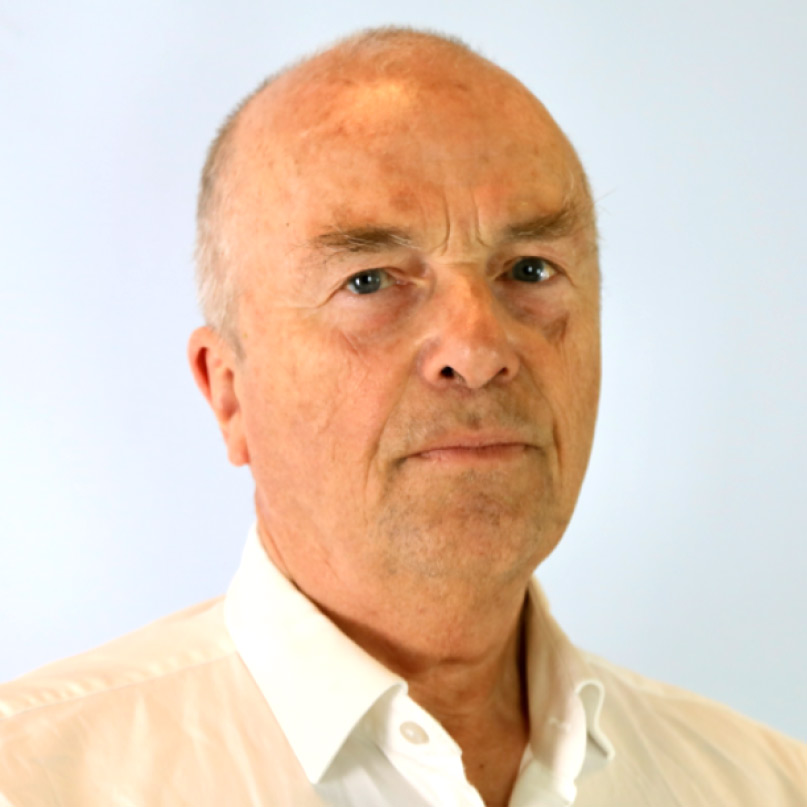
 Hans Rustad
 Baath-regimet i Syria var forsteinet. USAs-intervensjon har gjort krisen akutt. I den flytende situasjon. Men regimet er nervøst. Skal forandring komme utenfra eller innenfra?
As a result, Syria’s various political power centres have embarked on a desperate search for a vision to promote change yet allow the existing order to survive. Because Syria’s rulers have neither the ability nor the know-how to produce such a vision, civil society has been granted some leeway for action.
Clearly, this expansion of civil society’s operating arena may even turn into open opposition to Syria’s rulers. The point is to allow for some debate to take place in the hope of producing the sorely needed vision of change. This will give the outside world the impression that serious change is taking place and that the regime should be given the time to see it through. Crackdowns, detentions, and illegal trials thus exist hand in hand with a growing tolerance for creative initiatives.
Over twenty NGOs have been formed in the last few months. Many are charities and often include on their advisory boards one or two members with clear government connections (the daughter of a minister or an army general, or, in a couple of notable instances, the President’s wife). Even so, this development is still significant by Syrian standards, as independent initiatives are traditionally frowned upon.
Of real significance here is the press service, All4Syria (www.all4syria.org), created by the Syrian engineer Ayman Abdul Nour. The service contains an electronic newsletter that includes Syria-related reports and articles gathered from a variety of sources, often including comments by opposition figures at home and abroad. In its way, All4Syria has provided an indirect conduit for dialogue between government and opposition, which may not have taken place otherwise. Although All4Syria’s Internet site was recently blocked for unspecified reasons, the newsletter continues to be circulated and Mr. Abdul Nour moves in his usual circles unmolested.
I have been involved with the launch of another initiative, the Tharwa Project (www.tharwaproject.com), which I have long envisioned as one way for the Arab region to address its problems with religious and ethnic minorities. Although regional in scope and with a colorful international board of advisors, the Tharwa Project (Tharwa means wealth in Arabic) is based in Damascus and will be run from there.
—Ammar Abdulhamid
Ammar Abdulhamid is a Syrian poet, novelist, and commentator. He is also coordinator of the Tharwa Project, a regional programme that addresses minority issues in the Middle East